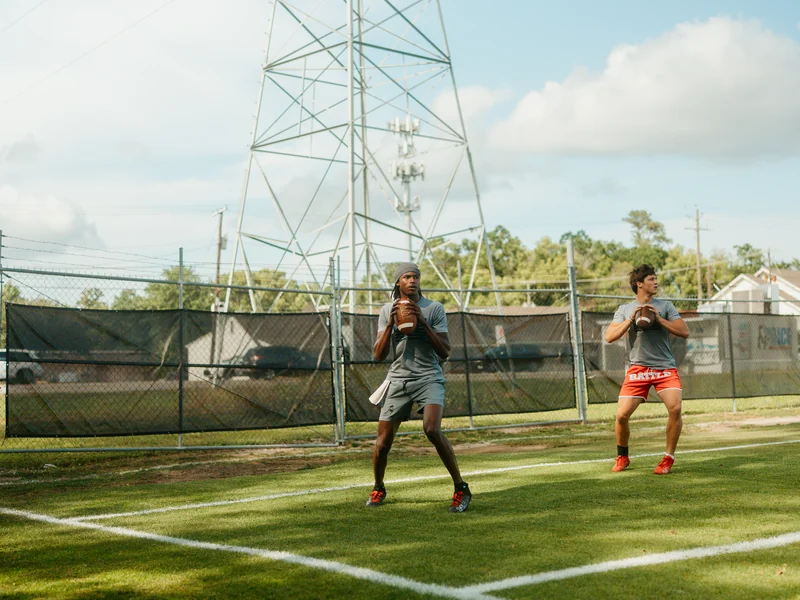
How to Make a Recruiting Video College Coaches Actually Watch
How to build a recruiting video coaches finish: ideal length, what goes in the first 30 seconds, which clips to use, mistakes to avoid, when to send it, and sport-by-sport notes.
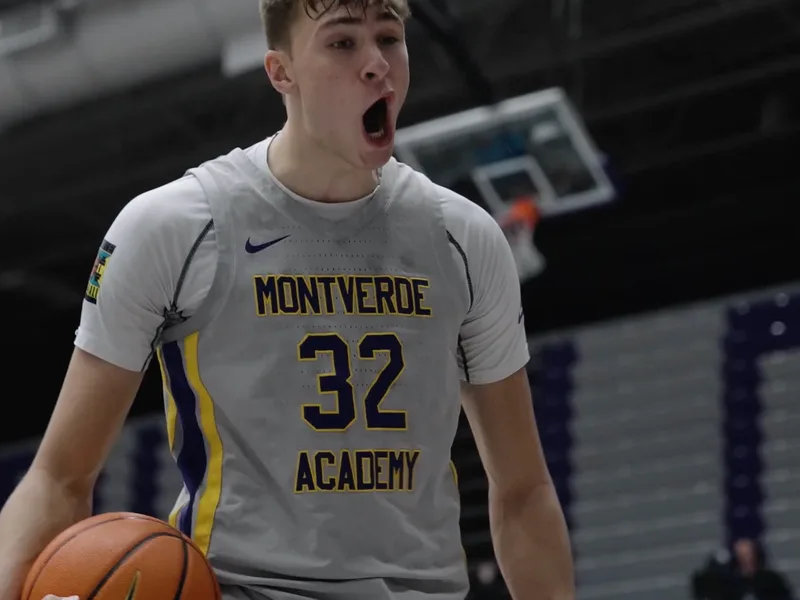
A recruiting video has one job: get a college coach to want to see more of you. It doesn’t need to win awards or rack up views. It needs to get a busy coach, who has a long list of other athletes’ links to open, to keep watching and then do something about it.
Mack Media started in 2017 filming AAU basketball highlight films, and we still film grassroots events every season. This guide covers what we’ve learned about recruiting video from both ends of the camera: how long it should be, what goes in the opening, which clips earn a spot, the mistakes that get a video closed, and when to send it.
If you’re still working out whether you need a recruiting video, a highlight film or full game film, start with our breakdown of highlight film vs. recruiting video vs. game film. Then come back here.
Start with the coach, not the athlete
Picture how a coach actually watches. They’re often in an office or on the road between events, working through a stack of emails from athletes and parents. Each link gets a few seconds to earn a few minutes. They’re asking three questions, roughly in this order:
- Is this athlete at our level? Size, speed, skill, physicality. The film has to answer this fast.
- Can I find them? If the coach spends the first clip hunting for the right jersey, you’re already losing them.
- Is there more to see? A good recruiting video doesn’t tell the whole story. It earns the request for full game film or an in-person evaluation.
Every decision below comes back to those three questions.
How long should a recruiting video be?
Common guidance from coaches and recruiting services is to keep a recruiting highlight video somewhere around three to five minutes, and plenty of coaches prefer the short end of that. Treat it as a rule of thumb, not a regulation. The real point is that a short video full of strong plays beats a long one padded out with average ones.
If you’re struggling to cut down to that length, the film is telling you something: some of those clips don’t belong. A coach who wants more will ask for game film. That’s the outcome you’re after.
The first 30 seconds decide everything
Assume the coach decides whether to keep watching somewhere in the opening half minute. Build the start on purpose:
Open with an info card, then get straight to the plays
Put a clean title card at the very start, on screen for a few seconds:
- Full name and graduation year
- Position(s), height and weight (and other measurables your sport cares about)
- High school and club or travel team, with jersey numbers for each
- GPA and test scores if they help you
- Phone and email that someone actually checks, plus a coach’s contact if possible
Then cut straight to action. No slow-motion intro, no logo animation, no lyric-video montage.
Lead with your best three to five clips
Don’t save the best for last. Put your strongest, most at-level plays at the front: the plays that would make a coach at your target level lean in. Chronology doesn’t matter. If your best play happened in your first game of the season, it still goes first.
Make yourself impossible to lose
Before each clip, freeze the frame for a beat and mark yourself with a simple arrow, circle or spotlight. Keep it brief and clean. One quick marker at the start of the play is enough. Something that follows you around the whole clip just gets in the way.
What clips to include
The highlight-reel instinct is to show every made basket, every touchdown and every home run. Coaches want something different: evidence that you can do the things their position asks of you.
- Show full plays, not just outcomes. Let the clip start early enough to see how the play developed: the read, the route, the footwork, the positioning. Coaches judge how you got there, not only the finish.
- Cover the whole job. If you’re a guard who can defend, show the defense. If you’re a lineman, show your feet and hands on an ordinary rep as well as the pancake. Range answers questions before the coach has to ask.
- Pick game footage over drills. Live competition against good opponents tells a coach far more than a cone drill in an empty gym. Skills clips can help in some sports (more on that below), but they shouldn’t carry the video.
- Show your best competition. Clips against strong opponents at showcases, tournaments and playoff games carry more weight than dominating a mismatch.
- Keep it current. Lead with your most recent season. Older clips can go at the back if they show something the newer footage doesn’t.
Footage quality: the part most videos get wrong
Footage quality isn’t about looking cinematic. It’s about whether the coach can actually evaluate you. A few basics:
- Elevated, steady and wide enough. Shoot from up high and keep enough of the field or court in frame to show spacing and what’s happening around you.
- HD at a minimum. Grainy footage from across the gym can turn a good play into a wasted clip.
- No zoom-and-hunt. Constant zooming in and out to find the ball makes footage hard to watch and harder to evaluate.
Footage filmed with the recruiting video in mind (the right angle, right settings, athlete always findable) is the biggest single upgrade most families can make. That’s the thinking behind our sports videography coverage.
The mistakes that get recruiting videos closed
- A long intro. Every second before the first play is a second the coach might leave.
- Music the video depends on. Many coaches watch on mute. Make sure the video works with no sound, and keep the music clean if you use it at all.
- No way to identify the athlete. No jersey number, no marker, no info card.
- Only the flashy plays. A reel of only made shots or touchdowns can raise more questions than it answers.
- Out-of-date film. Sending last year’s video when you’ve grown, changed positions or added a skill undersells you.
- A broken or locked link. Test the link from a different account before you send it. Private videos, expired download links and files that need a login are all quiet dead ends.
- Overproduced edits. Heavy transitions, filters and effects get in the way of the evaluation. Clean cuts win.
When to send it
There’s no single right month, but a few principles hold across most sports:
- Earlier than you think. For many athletes the film that changes their recruiting is the sophomore or junior-year one, not the senior one. Have a current video ready before the recruiting conversations you want to be in.
- Update after every season, and again after big events. A strong showcase or tournament run is a reason to recut, not to wait a year.
- Pair it with a short, personal email. Address the coach by name, say why you’re interested in their program, include your info card details and the link, and list upcoming events where they can see you play.
- Know the rules for your sport. Recruiting calendars and contact rules differ by sport, division and governing body, and they change. Check the current rules with your high school coach or the relevant governing body rather than relying on what someone remembers from a few years ago.
Sport-by-sport notes
The principles above apply everywhere, but each sport has its own expectations.
Basketball
Elevated sideline footage that shows the whole half court matters, because coaches want to see your spacing, reads and defensive positioning as well as your finishes. We wrote a full guide on this: how to make a basketball highlight film that gets you recruited. See also our basketball videography page.
Football
Football coaches commonly expect game film by position, and many will also ask for full-game film so they can see every snap. Sideline and end zone angles each show different things, and linemen especially benefit from angles that show footwork and hand placement. Group clips by the things your position is evaluated on. More on how we film it on our football videography page.
Baseball and softball
Baseball recruiting video often mixes game footage with a skills section, because some of what coaches want to see (a pitcher’s mechanics from several angles, a hitter’s swing from the side and from behind) is easier to show in a controlled setting. If you have verified measurables from showcases, put them on the info card. Our baseball videography page covers how we approach it.
Volleyball
Volleyball coaches typically want footage from an elevated angle behind the end line, so they can see the whole court, your approach and your timing. Organize clips by your position’s core skills, and include the unglamorous reps such as serve receive and transition, not just kills. See our volleyball videography page.
DIY or professional?
A well-organized DIY video built on decent footage can absolutely work, and plenty of athletes get recruited that way. Professional production earns its cost in two places: footage filmed for the purpose (the right angle, always findable, consistent quality across games) and editing judgment about which plays actually translate to the next level.
If you’re also thinking past recruiting into brand deals, that’s a different kind of content. Read our guide to NIL content for athletes.
You can see the range of what we film on our work page. If you want a recruiting video built by a team that has filmed everywhere from grassroots gyms to national events, Start a Project and tell us about your season. We reply within 24 hours.
FAQ
How long should a recruiting video be?
Common guidance is roughly three to five minutes, and many coaches prefer shorter. Lead with your best plays, so a coach who only watches the first minute still sees them.
Should I put music on my recruiting video?
It’s optional. Many coaches watch with the sound off, so the video has to work silently. If you use music, keep it clean and unobtrusive.
How often should I update my recruiting video?
At least once a season, and again after any standout tournament or showcase. Coaches want to evaluate who you are now.
Do college coaches want highlights or full game film?
Usually both, at different stages. The highlight video gets their attention, and full game film is often what they ask for next. Have both ready. Our highlight film vs. game film guide explains the difference.
Where should I host my recruiting video?
Somewhere easy to open without logging in, such as an unlisted YouTube link or the platform your sport commonly uses. Test the link before you send it.
Ready to Work With Us?
Whether it's a highlight film, wedding, NIL campaign, or brand project — let's talk.
Start a Project